Oil, Iran, and a 48-Hour Clock: How the Week's Biggest Macro Risk Played Out — And Why Markets Still Don't Believe It
Iran jitters, an AI court drama, a surprise Fed rate hike call, and a utility deal nobody saw coming — buckle up
Ticker Ratings
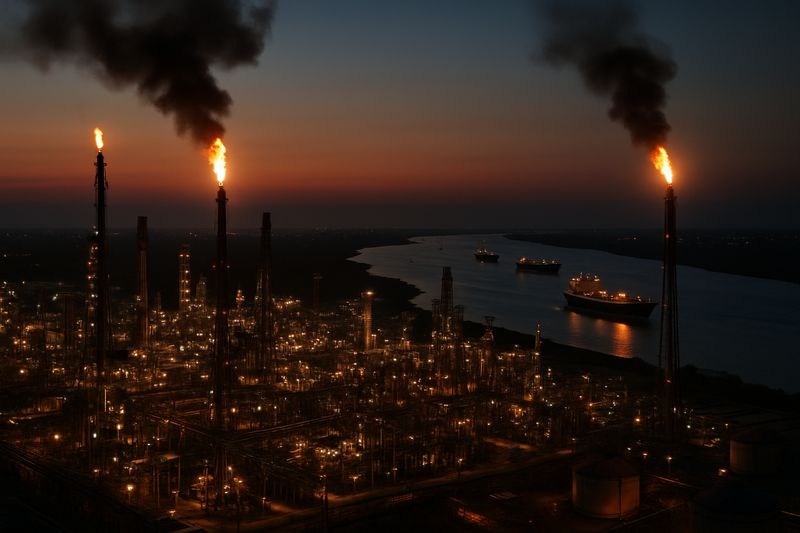
Let's start with the week's main character: Iran. Oil spiked over 3% on war fears, then reversed sharply after Trump called off a planned strike following appeals from Saudi Arabia, Qatar, and UAE. The 2-3 day negotiation window is now a ticking clock — Trump literally posted 'the clock is ticking' — with Iran rejecting US terms as 'too maximalist' and a drone hitting a nuclear plant in Abu Dhabi over the weekend. Bloomberg's Mark Cranfield called out 'macro tourists' for driving the volatility. Meanwhile, national average gas prices sit at $4.51/gallon and Evercore's Julian Emanuel warns WTI at $93-$98 for 3-4 months could mean triple-digit oil by July 4th — and an economic downturn to match.
Elsewhere: Elon Musk lost his jury case against OpenAI on statute of limitations grounds (filed too late, per the court), Jim Cramer argues it was a genius delay tactic to put xAI first in the AI IPO queue anyway. Ed Yardeni dropped the week's spiciest macro take: a 25bps Fed rate HIKE in July, citing the 2-year Treasury at 4.1% above the Fed funds rate and Jeff Gundlach's model forecasting a CPI print starting with a '4'. And $NEE agreed to acquire Dominion Energy for $67 billion to create the largest US utility — powered, not coincidentally, by Virginia's insatiable data center electricity demand.
The S&P broke its 12-hour EMA support for the first time in five weeks on Friday, Deutsche Bank strategists say 'buses are empty' on positioning which is the only reason this market hasn't face-planted already, and somewhere in Alabama, a row of vacant storefronts near a Lowe's is doing more economic reporting than most sell-side notes. The week's vibe: bullish structure, bearish vibes, and everyone pretending the oil market makes sense.