Baker Hughes BKR Surges 5.6% as Oil Services Beat Estimates
While semis sold off ahead of Big Tech earnings, Baker Hughes and Tyson Foods reminded traders that the old economy still knows how to throw a party
Ticker Ratings
While Wall Street spent the weekend refreshing headlines about US-Iran ceasefire talks and arguing about whether oil at $83 a barrel is a relief or a trap, some genuinely interesting single-stock moves flew under the radar on Monday. Let's talk about them.
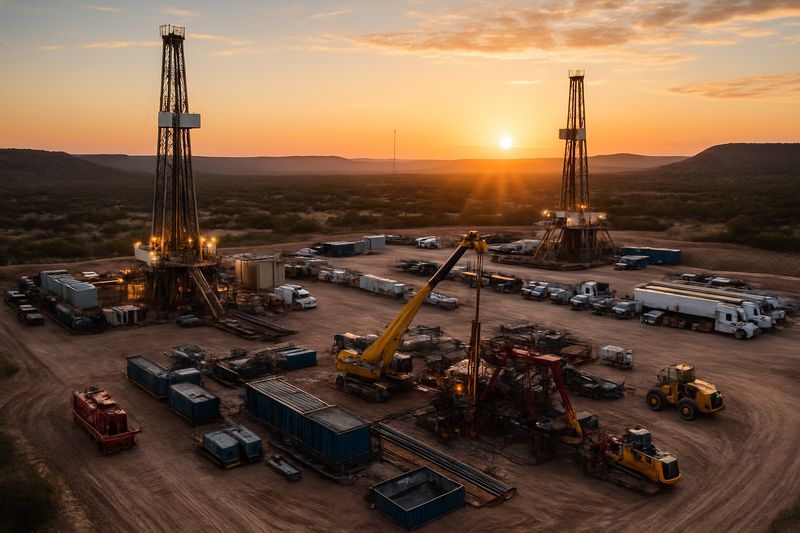
$BKR (Baker Hughes) surged 5.6%, its biggest intraday move since April, after Q2 profits beat estimates and the company boosted its full-year guidance on industrial and energy technology orders through 2028. This is not a tariff story or an AI story. It's a company with actual customers paying actual money for actual equipment, and the street liked what it heard. With oil prices dropping on the Iran pause but physical crude in some markets still flirting with $110 per barrel according to Reuters data on supply disruptions, energy services demand isn't going anywhere fast. The bull case: sustained geopolitical uncertainty means energy infrastructure spending stays elevated. The bear case: if the US-Iran deal holds and Hormuz reopens cleanly, the urgency around energy capex cools.
$TSN (Tyson Foods) had a quieter but equally punchy day, rising 6.4% after the USDA confirmed Mexican cattle import news. Bloomberg's Stock Movers segment flagged it as one of the top mover stories of the session. Meat is not glamorous. Meat is also apparently a trade. With food price pressures building partly due to Middle East supply disruptions (Reuters noted fertilizer supply risks pushing toward food inflation), Tyson's domestic protein story looks more interesting than it did six months ago.
And then there is $CAPR (Capricorn Therapeutics), which dropped approximately 65% after the FDA flagged multiple concerns about clinical trial data for its biotech drug ahead of a key advisory panel meeting. The Bloomberg Podcasts segment called it the worst intraday drop for the stock since 2002. There is no pleasant spin here. FDA data integrity flags are the biotech equivalent of finding out the restaurant you loved has a health code violation. Traders who were long ahead of the panel are having a very bad Monday.
The broader theme tying these three moves together is actually useful: single-stock dispersion is enormous right now. Tom Lee's Fundstrat commentary on crypto rising while semis fall tells the same story from a different angle. Capital is not moving in one direction. It's hunting for earnings clarity in a market where geopolitical noise (still very real, whatever the ceasefire headlines say) makes macro calls nearly impossible. When the macro is murky, you go stock by stock. Baker Hughes gave traders a clean beat. Tyson gave them a catalyst. Capricorn gave them a very expensive lesson about reading FDA panel risk into a position.
CME Group is apparently relaunching single-stock futures for over 50 major US names, which is either great news for retail traders who want more ways to express these views, or great news for retail traders who want more ways to lose money faster. Probably both, if history is any guide.